
All articles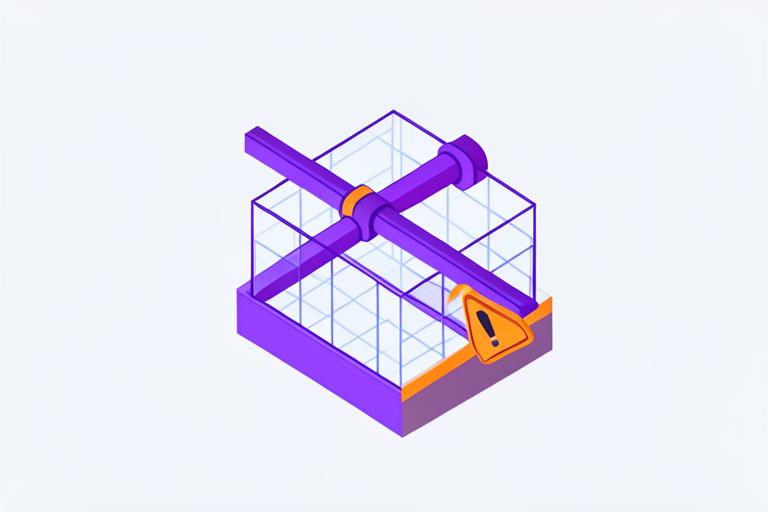
Coordination
What is Clash Detection?
An automated check that finds every place where two building elements want the same space — before either one is built.
5 min read
How it works
- Discipline models are linked into one federated model.
- Test sets are defined: structure vs services, services vs services, architecture vs structure.
- The software lists every intersection, with location, elements involved and a screenshot.
- Each clash is reviewed, assigned, resolved in the source model, then re-tested and closed.
Types of clash
- Hard clash: two elements physically occupy the same space, e.g. a duct through a beam.
- Soft clash: clearance or access space is violated, e.g. no room to open a valve.
- Workflow clash: sequence or delivery conflicts in the construction programme.
Typical findings on a building
- Beams cutting door and window heads
- Plumbing shafts not aligned floor to floor
- Ducts colliding with structural framing at corridor crossings
- Electrical conduits routed through columns
- Insufficient headroom below a staircase landing beam
Why it saves money
Resolving a clash in the model costs modelling time. Resolving the same clash after casting costs breaking, re-bar, re-concrete, curing and delay to every trade waiting behind it.
Have a project question?
Send your drawings or plot details and we will tell you plainly what BIM would change for your project.